Homemaker and Home Health Aide vs Aid and Attendance
One sends help, the other sends money. How the two programs differ, why a family can qualify for both, and which one to ask about first.

Published September 18, 2026. Last checked against VA sources September 18, 2026.
Somewhere in the last week of research the names started blurring together.
Aid and Attendance. Homemaker and Home Health Aide. Veteran-Directed Care. Every article assumes you already know which one applies to your family, and none of them explain how the programs relate to each other.
The two families confuse most often are the Homemaker and Home Health Aide program and Aid and Attendance, and the confusion makes sense: both exist to help someone stay supported at home. What differs is not the goal. It is the mechanism.
Homecare for Veterans is not the Department of Veterans Affairs and cannot guarantee eligibility or approval. Confirm details with VA or a VA-accredited representative.
The Short Version
One sends help. The other sends money.
- Homemaker and Home Health Aide
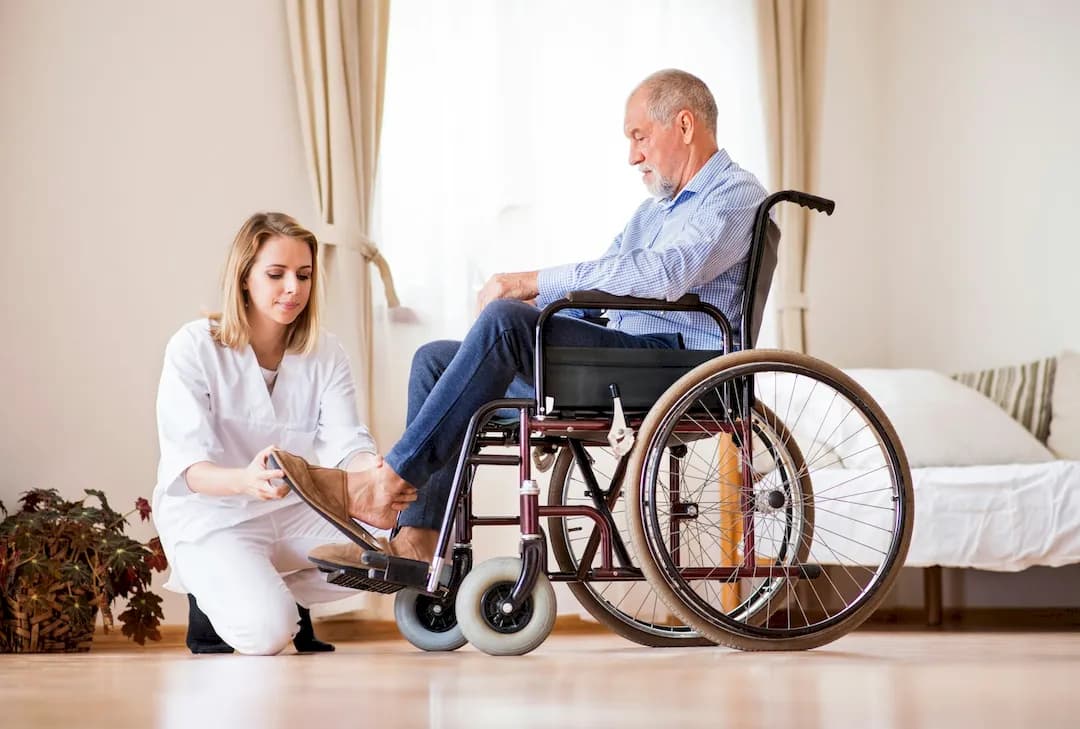
- A VA health service. A trained aide from a VA-contracted organization, supervised by a registered nurse, helps with eating, dressing, grooming, bathing, and moving around the house. No check arrives; the help does.
- Aid and Attendance
- A cash amount added to a VA pension, paid because the person needs another's help. The family decides how to use it: a home care aide, part of assisted living, or another cost that comes with needing help.
Eligibility Runs Through Two Different Systems
This is the part worth understanding, because it explains why a family can be turned down for one and still qualify for the other.
- The Homemaker and Home Health Aide program runs through VA health care: the veteran must be enrolled, eligible for community care, and meet the clinical criteria, as assessed by a VA social worker. There is no income test.
- Aid and Attendance runs through the VA pension: qualifying wartime service, income and net worth under the limits Congress sets, and then a need for another person's help with daily activities (or being bedridden, in a nursing home, or severely visually impaired).
- A copay may apply for Homemaker and Home Health Aide services, depending on the veteran's service-connected disability status.
So a veteran whose income is too high for Aid and Attendance may still get hands-on help through the health care side, and that is a door many families never try.
Can a Family Qualify for Both?
Yes, often. One is a health service and the other is a cash benefit, so qualifying for one does not disqualify anyone from the other. A household receiving Aid and Attendance can also be referred for aide visits. Neither blocks the other, and families who stop searching after the first answer tend to leave the second on the table.
Which to Ask About First
It depends on which need is louder right now.
- If what you need is a person in the house, the Homemaker and Home Health Aide program usually moves faster, because it starts with a clinical referral rather than a pension claim.
- If what you need is money for care you are already arranging, Aid and Attendance is the one to start, knowing pension claims take longer.
Not sure which describes your family? The screener asks eight questions and names the programs worth asking about.
What About Surviving Spouses?
The two programs treat survivors very differently, and this is where a lot of published advice is simply wrong.
Aid and Attendance is available to a surviving spouse in their own right, as an addition to the Survivors Pension. The Homemaker and Home Health Aide program is not: it is a VA health care service for enrolled veterans, so a surviving spouse cannot be referred to it. A spouse already receiving Dependency and Indemnity Compensation should ask a VA-accredited representative which survivor benefit applies to their situation.
How to Start
- 1For aide visits: speak to the veteran's VA social worker or clinical team, or contact the local VA medical center to ask for a needs assessment. There is no separate paper application; the referral is the entry point.
- 2For Aid and Attendance: file through the VA pension process, with VA Form 21-2680 completed by a medical examiner.
- 3For either: a Veterans Service Organization representative helps free of charge.
Representatives are listed by distance from your ZIP code, and VSO help is free.
Frequently Asked Questions
What is the difference between the Homemaker and Home Health Aide program and Aid and Attendance?
The Homemaker and Home Health Aide program sends a trained aide to the home as a VA health service. Aid and Attendance is a monthly cash amount added to a VA pension. One provides hands-on help; the other provides money the family decides how to use.
Can you get both?
Yes, often. They run through separate parts of VA, the health care side and the pension side, so qualifying for one does not disqualify anyone from the other.
Does the Homemaker and Home Health Aide program have an income limit?
No. It depends on VA health care enrollment and clinical need rather than income or net worth. Aid and Attendance does have income and net worth limits, because it sits inside the VA pension system.
How do I apply for the Homemaker and Home Health Aide program?
There is no separate paper application. Start with the veteran's VA social worker or clinical team, or contact the local VA medical center and ask for a needs assessment.
Can a surviving spouse get the Homemaker and Home Health Aide program?
No. It is a VA health care service for enrolled veterans. A surviving spouse may qualify for Aid and Attendance in their own right through the Survivors Pension.
Which should I apply for first?
Whichever matches the more urgent need. A clinical referral usually moves faster than a pension claim, so if the need is someone physically in the home, start there.